

In Hong Kong, most businesses only require a simple business registration and a certificate of incorporation to operate. However, opening a restaurant or food service business requires applying for various specific licenses from different government departments. Each license has very strict regulations and the process is both tedious and complicated, requiring special attention to every detail, as it is crucial for the restaurant to open on schedule.
Double Six boasts a highly professional team of licensing consultants who have a deep understanding of the actual requirements, restrictions, and guidelines for various licenses. They will first send a specialist to the proposed restaurant location to conduct an on-site environmental assessment, verifying whether the location and environment meet the basic licensing conditions and performing a detailed feasibility study. The next step is to review all documents and plans submitted to government departments and maintain close communication to minimize administrative delays caused by submitting supplementary documents, thereby obtaining temporary and permanent licenses as quickly as possible so that the restaurant can commence operations immediately.
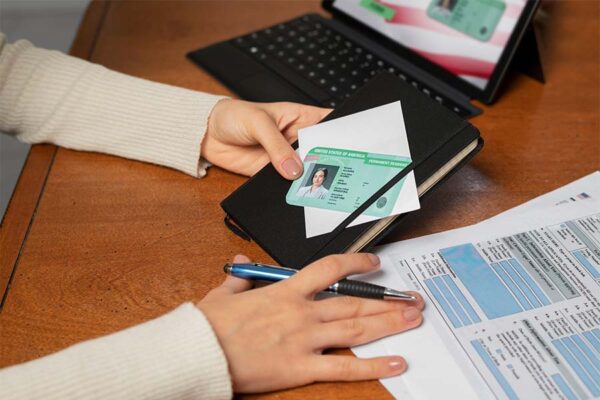
- Categorization
Apply for various licenses for restaurants
Common restaurant license categories:
Temporary license
Restaurants that meet the basic requirements for hygiene, building safety, and fire safety can be issued a temporary food business license, which is valid for six months.
Ordinary restaurant license
Commonly known as "big brands," licensees can sell any food and offer dine-in service, except for restricted foods such as sushi and oysters.
Small food stall license
They are called "small pai" and can be dine-in, but they can only sell a specific type of food that is mainly pre-made.
Food manufacturing plant license (factory/takeout)
Its main purpose is to prepare and sell food to other places such as schools or clubs.
Baking shop license
Selling baked bread and other baked goods.
Factory canteen license
Operating or serving meals within the factory building for employees working within the factory building.
Frozen dessert manufacturing license
Businesses that manufacture frozen desserts or use mixing and dispensing machines to make soft serve ice cream with pre-prepared ingredients for direct retail, as stipulated by business regulations.
License for roast meat and braised meat shops
Sell roasted or braised meats at retail.
Fresh grain store license
Selling fresh, frozen or chilled beef, lamb, pork, fish, live fish, poultry or live poultry
Liquor license
Restaurants intending to sell alcoholic beverages must apply to the Liquor Licensing Authority.
We can also apply for business licenses that include food service, such as public entertainment venue licenses, temporary public entertainment venue licenses, prize-winning entertainment licenses, company licenses, company liquor licenses, and karaoke permits.
- Friendly reminder: No expiration.
License renewal and annual inspection
Restaurant licenses need to be renewed periodically. The prerequisite is that the relevant equipment certified by the Food and Environmental Hygiene Department, Buildings Department, Fire Services Department, and Electrical and Mechanical Services Department can pass the annual inspection. We will remind restaurants of the preparations before the annual inspection and handle the necessary procedures for renewal, such as publishing a notice in the newspaper for liquor license renewal.


- Changes to existing restaurant plans
License plate name change / Plan changes
If a restaurant becomes outdated after several years of operation, or if the owner wants to adjust the original decoration and layout to improve the business, our team will apply to the Food and Environmental Hygiene Department for changes to the plans in advance to reduce the risk of being penalized or fined by the Food and Environmental Hygiene Department.
We help clients apply for license transfers, making it easier and faster for them to obtain approval from various government departments, allowing them to start their business immediately.
- Recognized professional operation
Certificate Issuance Service
In addition to licenses, restaurants also need certificates issued by various government departments to officially operate. These departments include the Food and Environmental Hygiene Department, the Buildings Department, the Fire Services Department, and the Electrical and Mechanical Services Department. Our engineering department staff are all government-approved registered contractors or suppliers with years of experience handling relevant certifications. Let our professionals handle the certificate issuance, document processing, and communication with various departments for you, saving you time and effort.
- Temporary license, Category A Food and Environmental Hygiene Department health and safety certificate
- Temporary Licensing Type B Buildings Department Safety Certificate
- Temporary license plate, Class C fire safety certificate
- Temporary license for Class D ventilation system certificate
- Structural Engineer's Assessment Certificate of Building Structure
- Ventilation Inspection Certificate
- Ventilation and air conditioning data
- Fire safety certificate (FS251, 314A)
- Fire safety inspection certificate
- Electrical Safety Certificate

- Approved contractor
Small project application
The government's Buildings Ordinance's "Minor Works Regulation System" includes a "Minor Works Contractor" register, allowing engineering companies and individual practitioners to apply for registration as minor works contractors of different levels, types, and projects based on their work experience, qualifications, and promotion capabilities. We provide one-stop minor works consulting services to assist restaurants intending to undertake minor works (Levels 1, 11, and 111) with the Buildings Department's document approval and reporting processes.
Service Scope:
Declaration of commencement and completion of minor works by the Buildings Department (Levels 1, 11, and 111)
Apply for and obtain approval for construction plans on behalf of clients, and prepare construction and location plans.
Provide accredited personnel and structural engineers (Level 1).
The "Small-Scale Engineering Supervision System" has a three-tiered structure.
Under the "Minor Works Supervision System," the dimensions, location, and other relevant specifications of each minor work are described in Schedule 1 of the Regulations. These minor works are categorized into three levels based on their nature, scale, complexity, and safety risks, and are subject to different levels of supervision.
Level 1 (58 items in total)
More complex small-scale projects include: excavating an opening between two floors, adding an indoor staircase, installing guardrails, and erecting large advertising signs (maximum display area of 40 square meters).
Level 11 (68 items in total)
For small-scale projects with low complexity and safety risks, such as: erecting, altering, or demolishing reinforced concrete non-load-bearing exterior walls of buildings, laying or repairing exterior wall plaster or exterior walls, erecting or altering roof cladding, constructing or altering protruding medium-sized signs, or repairing windows or glass panel exterior walls.
Level 111 (61 items in total)
Mainly for small-scale home renovations, such as installing air conditioner brackets.
Install clothes drying rack
Install window sills