66 Food and Beverage Consulting Project
Your restaurant design engineering license partner
Regarding 66
A successful restaurant involves many complex and tedious processes, from interior design and construction to applying for licenses and certificates from various government departments, which is by no means easy to handle. Anyone in the catering industry has probably heard that many restaurants have had to delay opening or even be unable to open due to various reasons such as the design failing to meet licensing requirements, the decoration deviating from the design, or violating the mall owner's settings, resulting in heavy losses.
The reason for this is that different companies are involved in each stage of the process. The companies responsible for interior design, construction, and license application have failed to coordinate effectively and have been shirking their responsibilities, leaving only the restaurant investors to suffer.
The founder of DoubleSix's wish is to break the industry's inherent fragmented approach and invite professionals with at least 10 years of experience in interior design, construction, and licensing to form a team to create a new ecosystem for restaurant engineering, providing a one-stop service for all the tedious work before opening a restaurant.
Over the years, the heads of each process have established good communication and working synergy. Like an excellent football team, each person performs their duties and can support each other, allowing clients to reduce budgets and saving a lot of administrative and communication time costs. To date, we have helped many restaurants open successfully, and our performance is evident to all.
Our Services
From license application and design to engineering construction and delivery, we provide a one-stop service.

Do you need some guidance related to restaurant decoration?
- Categorization
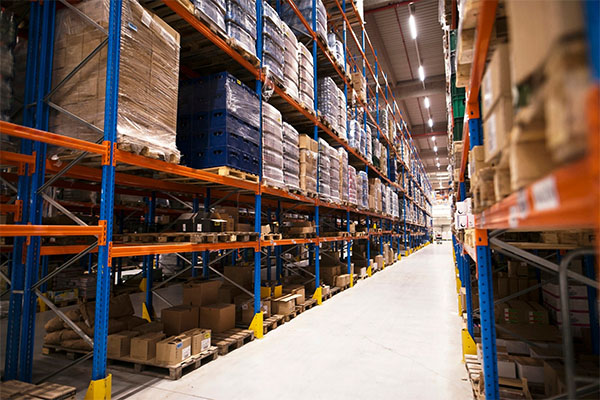
Apply for various licenses for restaurants
- After eating it, I wanted to savor it again.
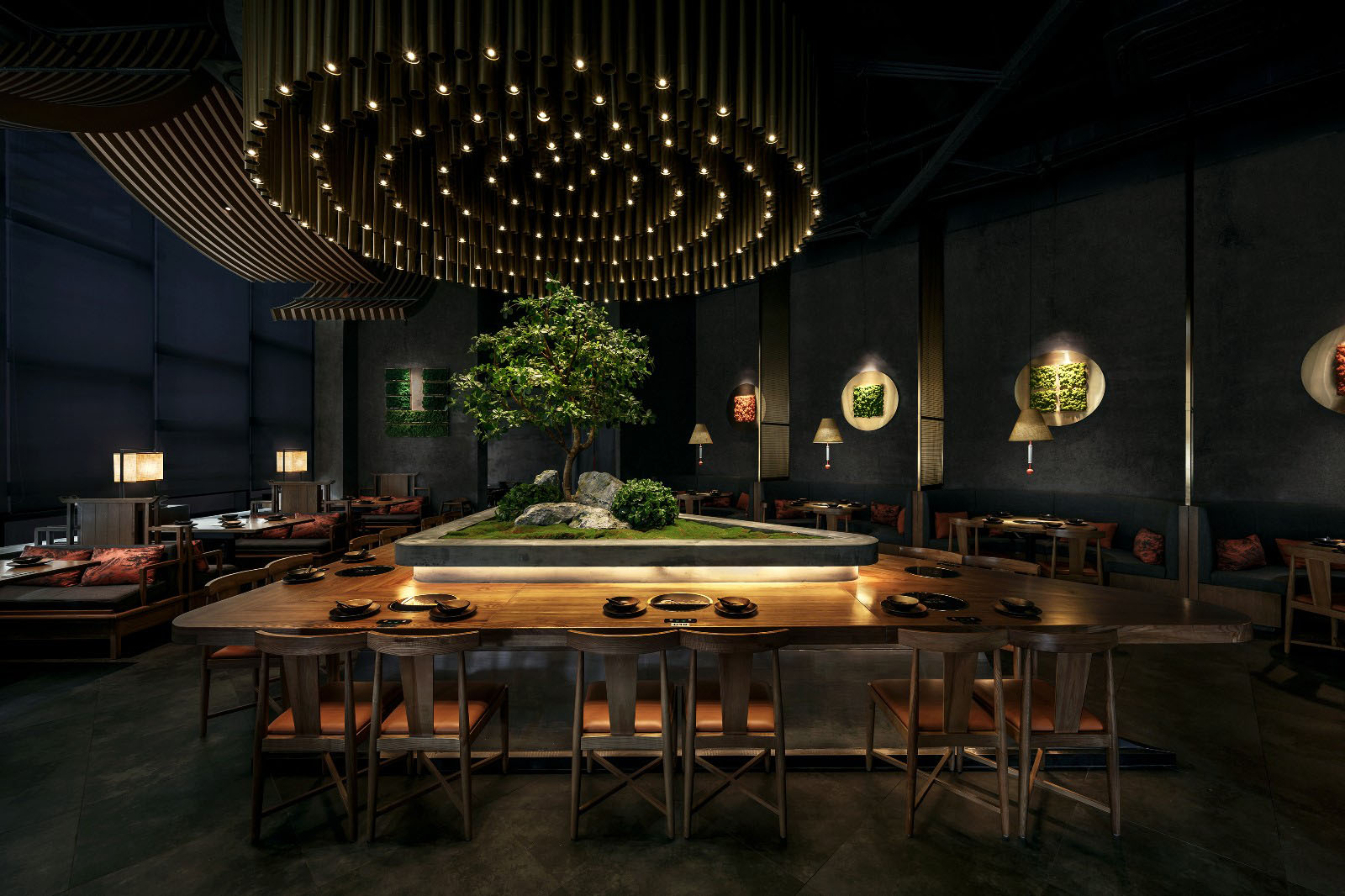
Interior decoration
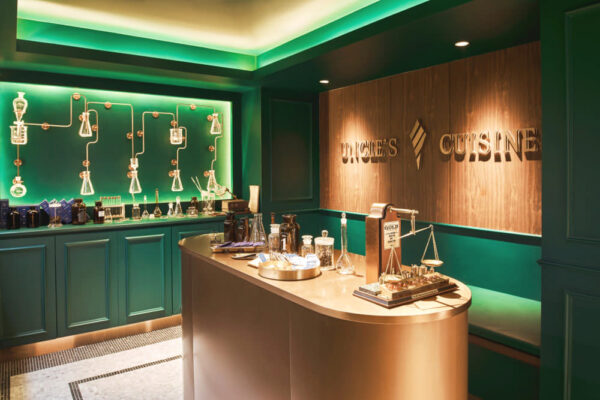
A successful restaurant needs a beautiful ambiance that complements its brand image and complements its cuisine. A relaxing dining experience is a basic requirement, but it should also delight diners with different purposes: adding romance to dates, providing a joyful atmosphere for family gatherings, boosting productivity in work meetings, and even offering a comfortable and perfect space for anyone looking to relax and recharge. Our mission and commitment in interior design is to create a restaurant environment that diners love and want to return for more.
- Breathe fresh air
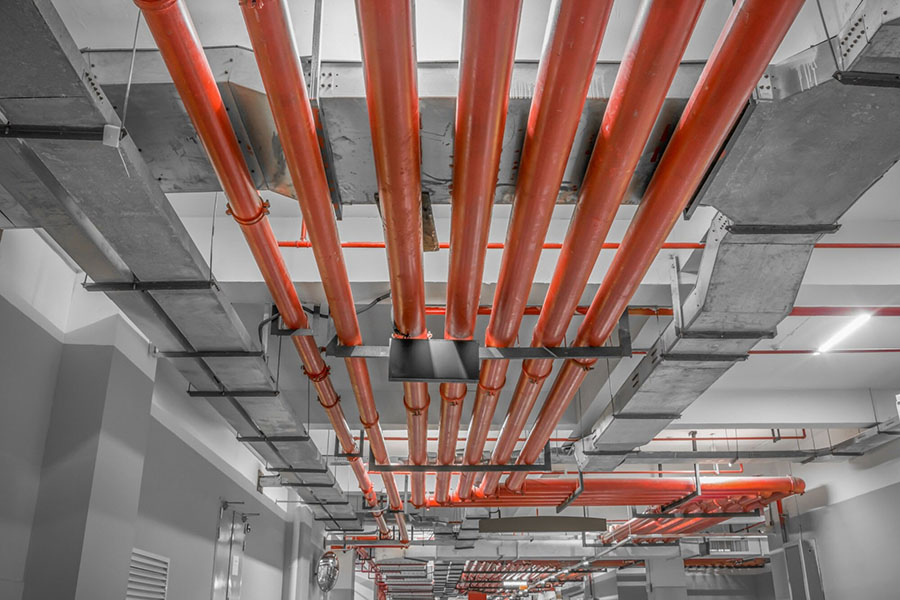
Fresh air, exhaust and air conditioning
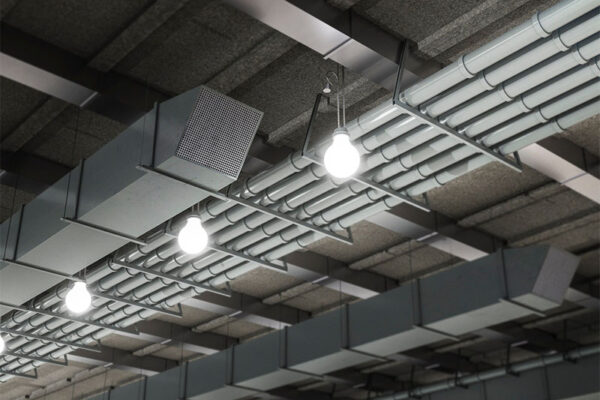
The importance of fresh air extraction in restaurants lies in its purpose of introducing fresh air and removing exhaust fumes generated during cooking, maintaining indoor air quality and complying with relevant licenses and regulations. There are specific requirements for the installation location of exhaust vents. We will review whether the restaurant premises have sufficient space to install fresh air extraction vents, and we will also inspect the number and size of exhaust pipes to ensure they meet fire safety requirements. If the exhaust fumes contain black smoke or have an unpleasant odor, additional filtration equipment may be necessary to meet the Food and Environmental Hygiene Department's requirements.
- Custom-made to FIT furniture
Furniture production
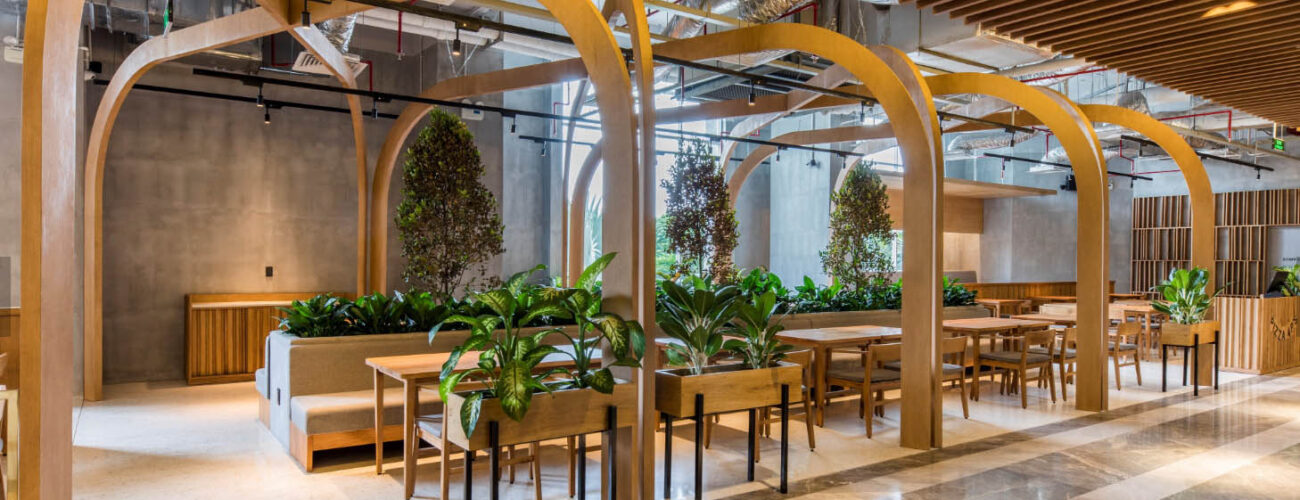
Adding furnishings to a restaurant includes dining tables, chairs, sofas (with BS 7176 fire safety certification), built-in cabinets, and shelving. Purchasing ready-made items is certainly convenient and quick, but they may not match the restaurant's brand and image. Sizes and functions also vary, and every inch of precious space may not be used effectively. At best, it will affect the diners' experience or comfort, or even reduce business; at worst, it may cause safety issues, such as tables and chairs blocking fire escape routes, or items stored in cabinets falling out, potentially leading to accidents.
- Safety devices and professional support
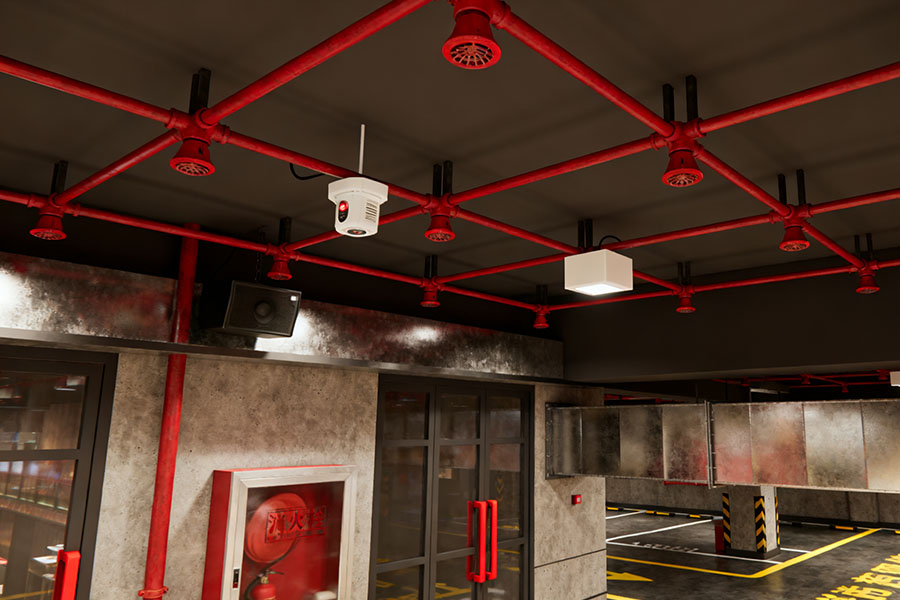
Fire protection system
Restaurants typically store large quantities of miscellaneous items and cooking oil, making the consequences of a fire potentially catastrophic. Therefore, restaurant owners can consult with restaurant design companies to determine the necessary fire prevention and fire safety regulations to follow during restaurant construction. Below, we share some common safety requirements for your reference.
First, the law requires restaurants to ensure their design is sufficiently fire-resistant. Therefore, it imposes strict requirements on wall thickness, restaurant decoration materials, and fire resistance time. For example, restaurant kitchens must be enclosed by walls and floors with a fire resistance time of at least one hour; polyurethane latex furniture must have a fire-resistant material certificate issued by the manufacturer or supplier; and kitchens must use fire-resistant bricks and non-slip tiles. If the restaurant is not located on the ground floor but on an upper floor or in a basement, it must have at least two fire escape staircases. Additionally, the restaurant must have an independent battery-powered emergency lighting system to handle emergencies.